
FEATURED ON






Workplace Violence Is a Daily Risk
Not Are Rare Event
In healthcare and social service environments, this risk is significantly higher. Workers in these fields are 4–5 times more likely to experience workplace violence injuries than other industries.
Workplace violence is often misunderstood.
It is not limited to extreme incidents. It includes:
Many incidents go unreported, and many organizations only act after escalation.
A prevention-first approach changes that.
The warning signs are almost always present
The warning signs are almost always present
Behavioral threat assessment is the most important and most underdeveloped prevention capability in most organizations. It is the process that catches warning signs, including statements, behavior changes, grievances, and planning indicators, before they escalate into an incident. Chris Grollnek builds this capability into organizations through the PRO Model™ Prevention layer. Selected by the DOJ as “A” national standard twice. Prevention outcomes documented across multiple environments.
Effective programs are not one-time trainings. They are systems built into daily operations, supported by leadership and reinforced through consistent training.
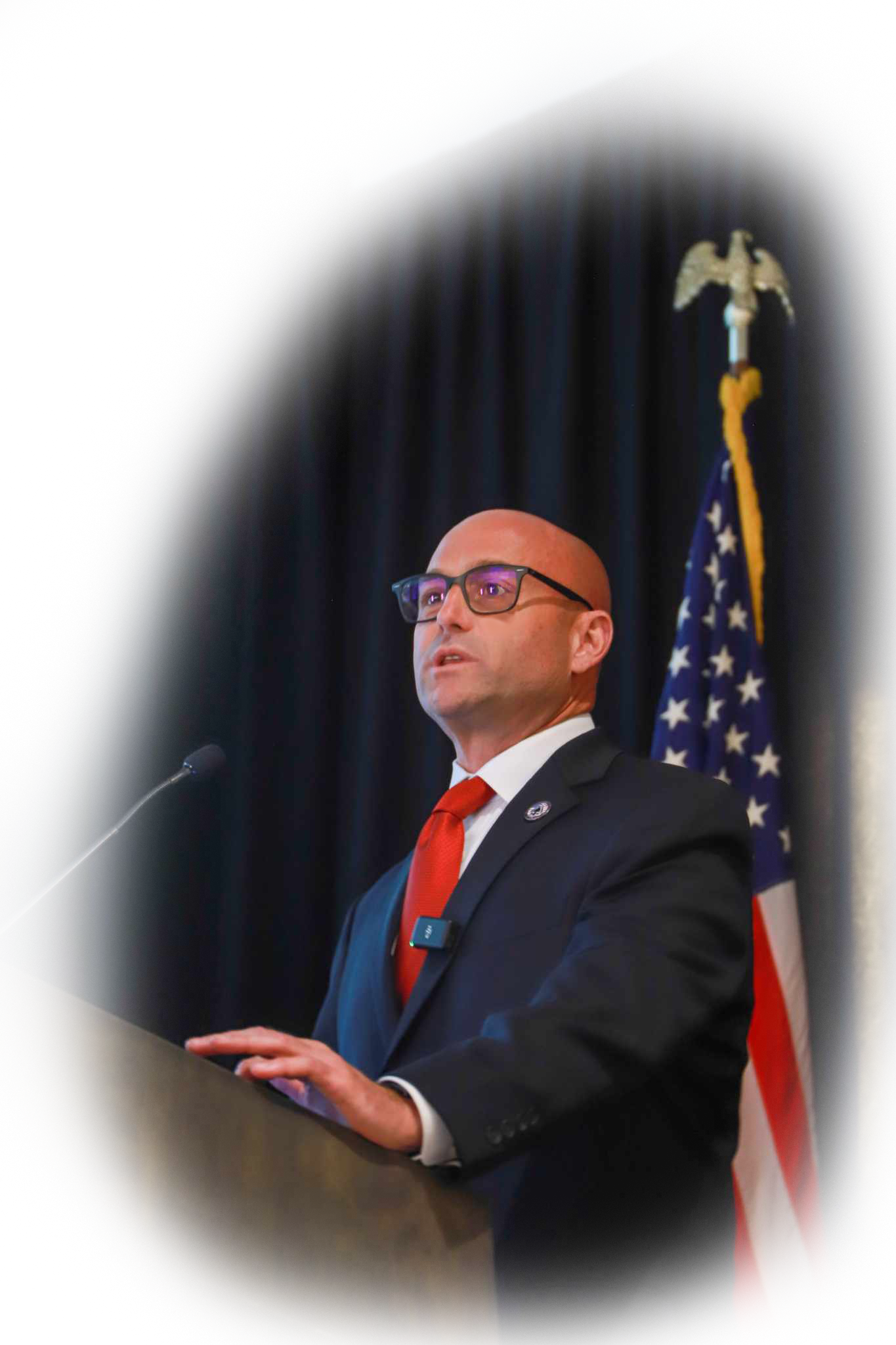
Chris Grollnek's engagement formats & delivery
Chris Grollnek's engagement formats & delivery
The P.R.O. Model™ Framework
The P.R.O. Model™ Framework
The P.R.O. Model™ provides a structured framework for addressing workplace violence by focusing on Prevention, Response, and Options. While most training programs focus primarily on response, this model starts earlier, where the greatest opportunity to reduce harm exists.
Prevention & Response
Most workplace violence training focuses on what to do during an incident.
By that point, the situation has already escalated.
Prevention gives you time. Response uses it.
Prevention gives you time. Response uses it.
Response-Focused Training
Prevention-First Approach
Why Organizations Trust
Chris Grollnek
Why Organizations Trust
Chris Grollnek
Chris Grollnek is a nationally recognized active shooter prevention expert, a media voice, and the creator of the P.R.O. Model™.
With over three decades of experience across the military, law enforcement, and private sector, he brings real-world expertise to workplace violence prevention. He has been hand-selected by the Department of Justice to help shape training standards and is trusted by organizations nationwide.
Chris delivers engaging, participation-driven training that helps teams understand complex risks, apply de-escalation strategies, and respond with confidence, without creating unnecessary fear.
Organizations that work with Chris are not just completing training. They are building a structured, prevention-first system designed to reduce risk and move toward Destination #NEVERHERE