FEATURED ON






How I Run a House of Worship Security Assessment
Short answer. I walk your building during a live service, watch how your people actually move through it, and hand you a written house of worship security assessment you can act on and apply for federal funding with. As a DHS certified house of worship instructor, I have done this for congregations of nearly every faith and size in the country. The teaching is prevention first, in plain language, for every age in the room. Nobody is frightened, nobody is embarrassed, and nobody is asked to become something they are not.
If you are a faith leader who has been carrying a quiet worry about a Sunday morning, this page is written for you. It tells you exactly what I do, exactly what I will not do, and what your congregation looks like after I leave.
Why do I assess a house of worship differently than a corporate campus?
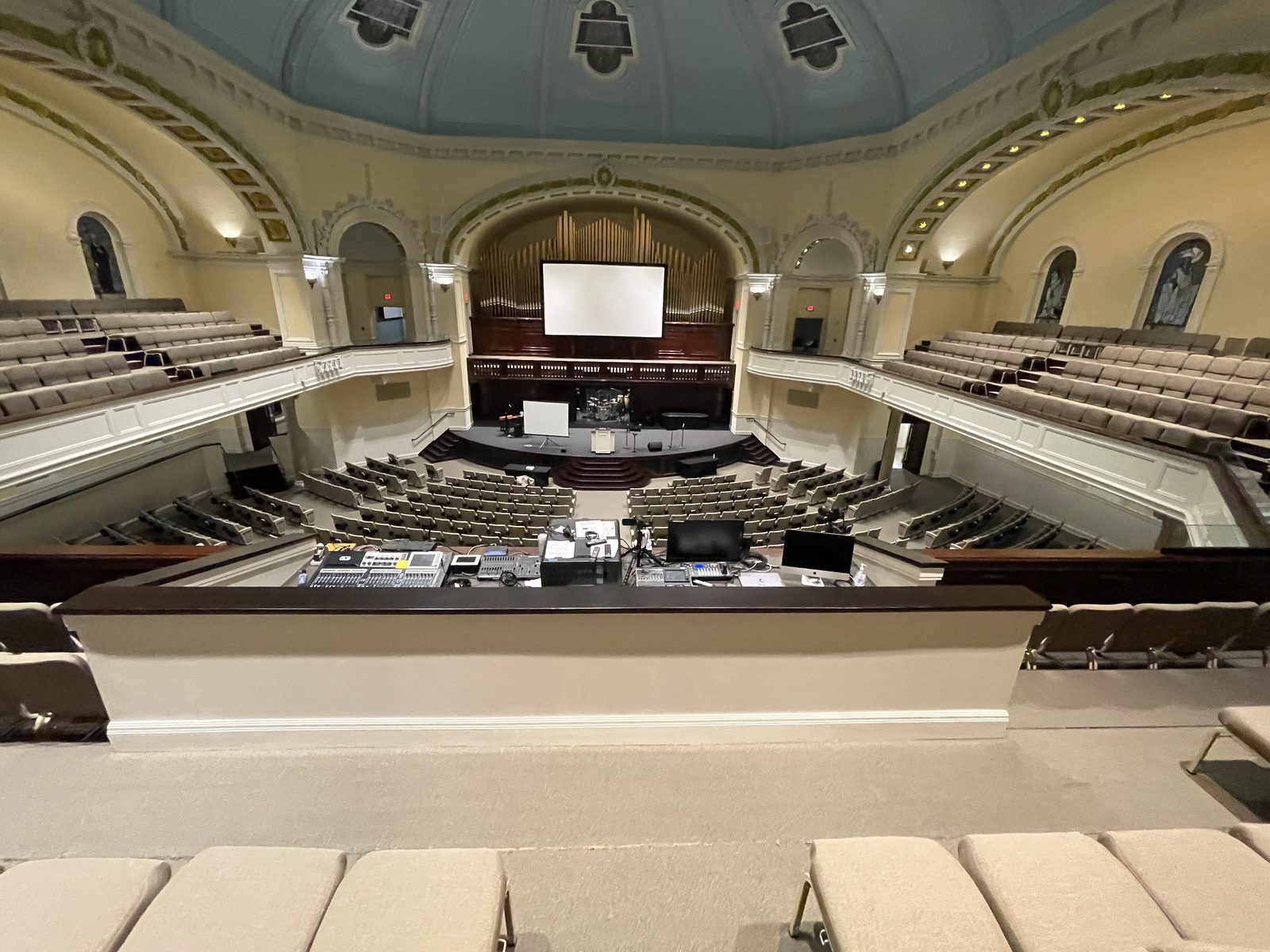
Because a corporation controls who walks in and a congregation does not, and I have never once asked a congregation to change that. A company can badge the door, screen the lobby, and send a memo everyone is required to read. Your building is open on purpose, your visitors are strangers by design, and the person who most needs to be there on a hard night is often the person nobody recognizes. Hospitality is not a security weakness in a house of worship. It is the mission, and any plan that asks you to trade it away is a plan you should refuse.
So I work in the other direction. Instead of closing the building, I widen the number of people who can notice something early, and I give them somewhere to put what they noticed. An usher who greets four hundred people on a Sunday is the finest sensor in that building, and in most congregations nobody has ever told him what he is looking at or who to tell. That is the gap I close first, and closing it costs nothing.
None of that is guesswork. Violence has a runway, and the behavior along it is visible to the people standing nearby, which is the whole premise of CISA’s Pathway to Violence work. My job is to teach your congregation to read that runway. It is also the first tenet of the P.R.O. Model™, the prevention framework the U.S. Department of Justice selected as "A" national standard for the Assistant United States Attorneys and across the Department, twice.
What do I look for when I walk your building during a service?
Movement, mostly. Paper plans describe a building that does not exist on a Sunday morning, so I want to see the real one, with the choir in the loft, the toddlers in the nursery wing, the late arrivals coming in the side door, and the greeter who props that door open because the latch sticks. I am not grading you. By the time I leave I will have found things you already knew and could not get budget for, and putting them in writing under a certified assessor’s name is frequently what finally moves them. Here is the ground I cover.
What does a DHS certified house of worship instructor actually do?
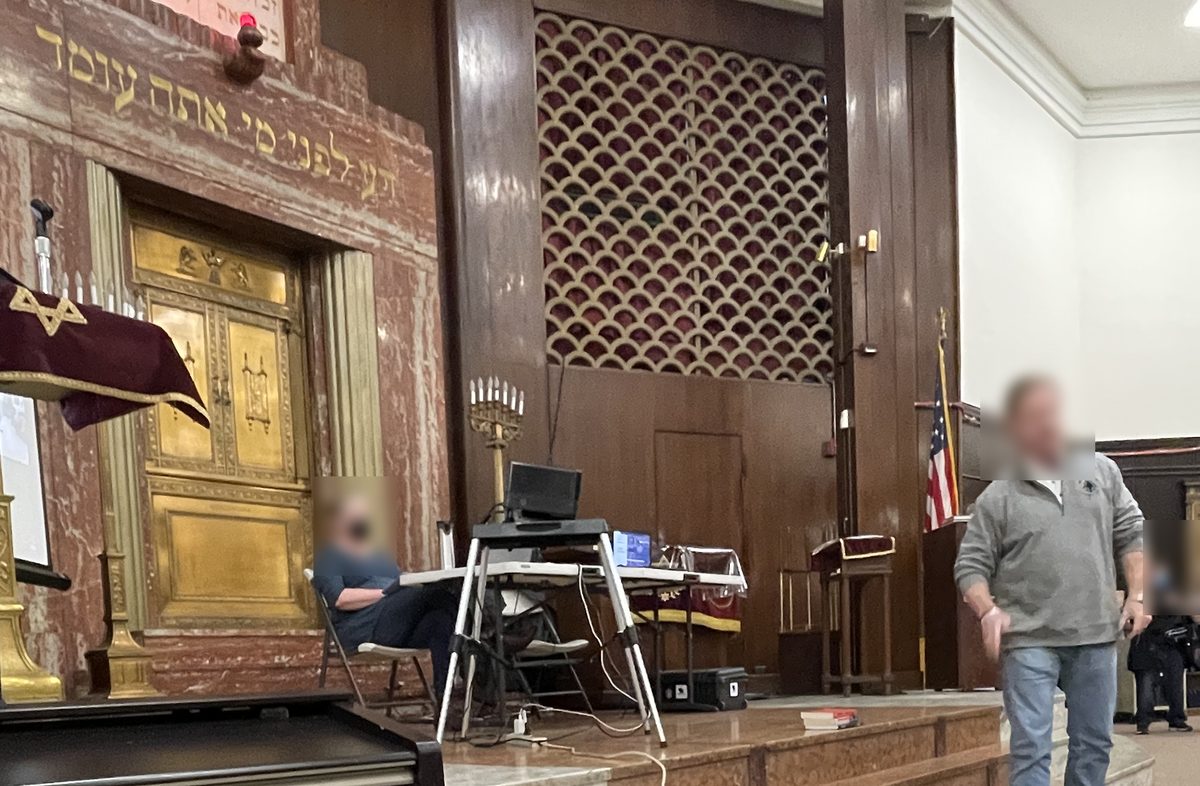
The certification means the Department of Homeland Security has vetted me to deliver its houses of worship curriculum. What it actually buys you is narrower and more useful than the title sounds.
It means I already know the federal material your grant reviewers will read, starting with CISA’s free Houses of Worship Security Self-Assessment. That tool walks a congregation through fifteen areas, from security management and volunteer training through mass notification, background checks and bomb threat procedures. I want you to run it before you ever call me. It is free, it is good, and it will tell you what you have.
What it cannot tell you is what your people will actually do in the first ninety seconds, because a questionnaire cannot measure a hallway full of frightened human beings. That is the part I come for. Former U.S. Marine and retired police detective corporal, I was on scene at an active shooter incident myself, and almost nothing I teach about those ninety seconds comes out of a book.
What will I never do inside your sanctuary?
I will not stage an attack. No blank rounds, no simulated gunfire, no surprise drill sprung on a congregation that never consented to be frightened. That approach does real harm to volunteers, and it teaches almost nothing that plain instruction does not teach better and kinder.
I will not teach children to fight. Your ushers keep their role, with none of the tactics that belong to a tactical team, and your greeters stay greeters rather than guards. Victim photographs stay out of my slides, and so does any real family’s worst day.
Nor will I sell you something you do not need. If your building needs a four hundred dollar door closer and not a forty thousand dollar camera system, the door closer is what goes in the report.
How do I work with the safety team or off-duty officers you already have?
I make them better, and I leave them in charge. Plenty of congregations already have something, a volunteer safety ministry, a retired officer who sits in the back row, an off-duty deputy on the Sunday schedule. My job is not to replace that person or to second-guess him in front of his own church.
What I usually find is a team that is capable and isolated. They have never been briefed on what to watch for, they have no agreed way to pass a concern up to clergy, and they have never practiced what happens when a concern turns out to be nothing, which is the case that actually comes up. So I give the team a reporting path, a shared vocabulary for concerning behavior, and a way to stand down gracefully. Then I train the rest of the congregation, so the team stops being the only set of eyes in the room.
If you have no team at all, that is fine, and it is far more common than you would guess. You do not need one to begin.
Have I worked with a congregation like mine?
Almost certainly, and the honest answer is that the differences matter less than faith leaders expect. I have delivered this work at more than fifty house of worship programs, across more than one hundred buildings, and at more than seventy-five faith-based learning institutions, in synagogues, mosques, temples, Catholic parishes, and Protestant congregations running from sixty members to several thousand.
A small rural church and a large urban synagogue with a day school attached have different budgets, different calendars and different threat pictures. They ask me the same three questions: how do we see it coming, what do we do in the first ninety seconds, and how on earth do we pay for any of this. Evil does not discriminate by faith, and neither do I.
What does a congregation receive from me?
Questions faith leaders ask me most
Will this frighten my congregation?
No, and this is the question I am asked first and most often. It is the whole reason I teach the way I teach. People arrive tense and leave settled, because a worry you have a plan for stops being a worry. A congregation that walks out calmer than it walked in is the only outcome I count as a success.
How long does it take?
Typically one day on site for the assessment, then a half day to a full day of training. Large congregations sometimes split the training across two sessions so the weekend team and the midweek team are both covered. I work around your calendar of worship, never through it.
Do we have to arm anybody?
No, and I will not push you toward it. That decision belongs to your leadership, your insurer and your state law, and it is not the first decision. Many congregations I have worked with carry nothing at all and are meaningfully safer than they were, because prevention happens long before anything else does.
What if we already had training a few years ago?
Then you are ahead of most congregations, and it is worth checking what it actually covered. Most of what was sold to houses of worship over the last decade began at the moment of the attack. If nobody taught your people what comes before that moment, the more valuable half is still missing.
Can we afford this?
Faith and nonprofit communities receive the lowest rates we offer, and the first conversation is free. The organizations most often targeted should never be priced out of protection. Program options and the federal grant pathway, including the Nonprofit Security Grant Program, are laid out on the Active Shooter Prevention Project house of worship page.
Do you travel outside Texas?
Yes. I am based in North Richland Hills, Texas, and I travel nationwide for this work, in person and by webinar.
Ready to know your building?
Call it a conversation, not a sales call, because that is what it is. Tell me about your building, your services, and the thing that has been sitting quietly in the back of your mind, and I will tell you honestly whether you need me or whether the free CISA tool and one focused afternoon with your own leadership gets you most of the way there.
Program details, pricing and the federal grant pathway live on the Active Shooter Prevention Project house of worship page. To reach me directly, use the contact page. Available to congregations of every faith, nationwide, in person and by webinar. The first conversation is free.
Related work: active shooter prevention training, threat assessment and prevention, and government and public safety.
Your congregation deserves to worship without worry. #NEVERHERE™