
Law Enforcement, SWAT and Policing
Two decades of policing, tactics and the decisions made under pressure, and what all of it taught me about active shooter prevention.
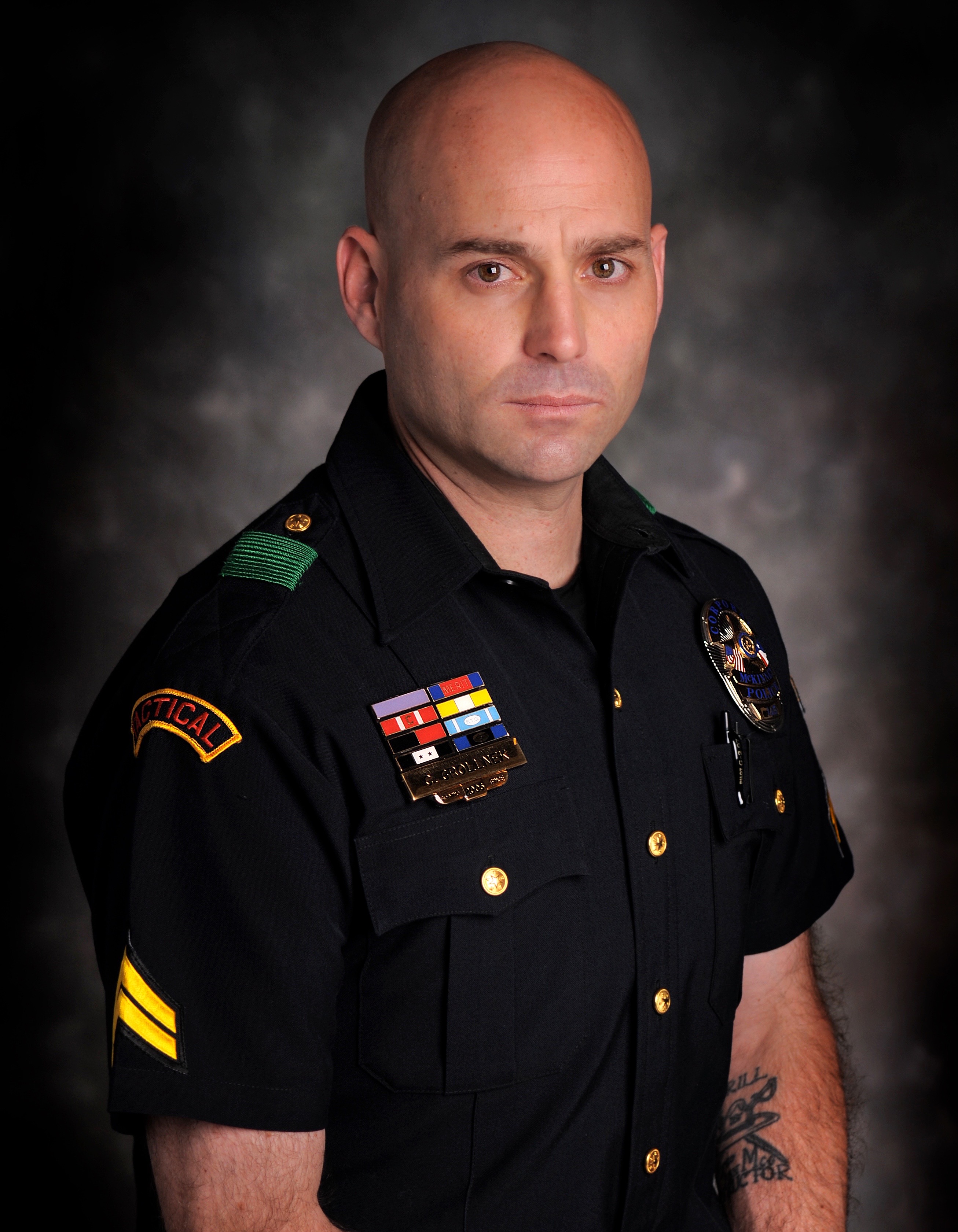
I spent my police career in North Texas. I worked undercover narcotics, I served on SWAT, and I retired as a detective corporal. I survived officer-involved shootings along the way. None of that is unusual for the job.
What made it useful later is that I was on scene during an active shooter attack, and I watched a response unfold the way responses unfold.
What law enforcement teaches about active shooter prevention
Policing gives you a specific education, and very little of it is about tactics. You learn that the plan and the event rarely match. You learn exactly how long help takes to arrive, because you were help, and you were counting. And you learn that most of what decided the outcome had already happened before anyone called 911.
| Patrol | How quickly an ordinary call becomes something else, and how little warning arrives with it. |
| Undercover narcotics | Behaviour is readable long before it is actionable. People signal intent well ahead of acting on it. |
| SWAT | Tactics are the last five percent. By the time a team is stacking, most of the outcome is already set. |
| Detective corporal | Every case has a timeline, and the timeline almost always starts earlier than anyone expects. |
The incident behind the work
I was on scene at an attack that involved a vehicle borne improvised explosive device. More than a thousand rounds were fired. One hundred and sixty eight of them were fired at responders.
I do not name the attacker and I do not name the people who were lost. That is deliberate and it does not change. What matters here is the sequence. Everything the tactical response could influence was already narrowing by the time anyone arrived.
What it produced
I wrote Law Enforcement Standards for Active Shooter Response, published by Quick Series, for officers who will be first through the door.
The P.R.O. Model™ came out of the same conclusion. It is a national standard selected by the U.S. Department of Justice across two consecutive windows, 2022–2025 and 2026–2030, and in use at some installations and commands across the Department of Defense in use across multiple installations. My graduate work, a Master of Science in Administration of Justice and Security, took the active shooter phenomenon as its capstone subject.
Response training saves lives and belongs in every plan. It is simply not the first question. The first question is what happens in the months before, when the behaviour is visible and nobody has a process for it.
Greystone Operational, 2007
Explosive breach on a federal search warrant. Seventy five seconds of what positive entry actually costs to achieve, and why the planning that precedes it matters more than the moment itself.
Related
- The Marine Corps Years. Where the standards came from.
- Media, Broadcast and Published Commentary. Interviews and published work across more than a decade.
- Active Shooter Prevention Video. The free national training video and the team behind it.
From the archive
- The National Police Spring
- Freddie Gray and Baltimore Burning
- The President and Criminal Justice Reform
- Police Decision Making Process
- Public Policing Versus Private Security
- Uniformed Police Shoot Plain Clothes Officer from Same Department
- SWAT Entry and Situational Tactics by Chris Grollnek
- Chris Grollnek Swat Report Warrant Service Suspect Fires on Team 2006
- Los Angeles Sheriff’s Department Shoot Bank Robbery Suspect
- Sikh Temple Dash Cam Video of Active Shooter While Shooting Officers
- Police Shoot Man Wielding a Knife at Offices and Others
- Audio: Active Shooter near Texas A&M University several shot, officer down
- A few thoughts on “community policing”
- Consulting Legal Teams in Police Related Strategies
- Arrested for DWI, but its an Officer, Not Good for the 99% of the Great One’s…
- Retired Police Corporal Chris Grollnek and the Police Code of Ethics
- Master Peace Officer License Chris Grollnek
- Deception in the Criminal Justice Process
- Intro to a Police Ethics and Procedures Blog and how it got started…
- Active Shooter Incident at McKinney Police Department Chris Grollnek SWAT Action Report
Understanding how these events unfold is what makes prevention possible. → The P.R.O. Model™