The Budget Was Never the Problem

In fifteen years of walking buildings, the budget has rarely been what stopped anything.
The pattern repeats almost everywhere. An organization agrees with the findings. The money is available, or can be found. And then the work stalls, not because anyone changed their mind, but because nobody in the room knows which contract the purchase comes off, and the people who do know procurement have never bought this particular thing before. Months pass while a specification gets written from scratch for something that was already available on paper somebody else had competed.
That gap is where prevention goes to die, and almost nobody in this field writes about it.
Why the model is ordered the way it is
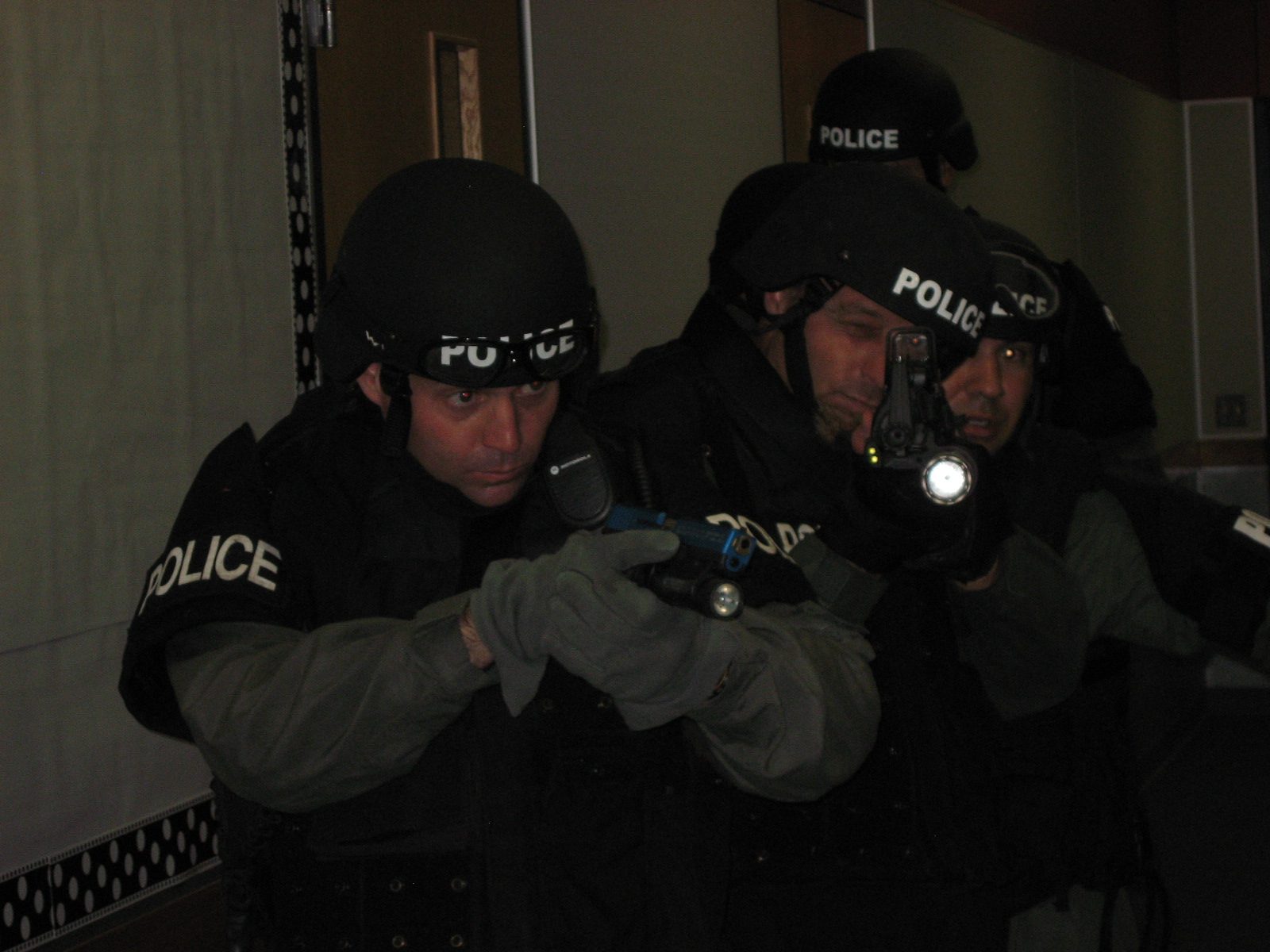
The P.R.O. Model™ stands for Prevention, Response, Options, in that order, and the order is the whole argument. Most of what is sold in this field is a response program wearing a prevention label. It teaches people what to do once an attack has started, which matters, but it accepts the attack as the starting condition. ASPP™ was built to refuse that premise, and the reason is not academic. It comes from being on scene in McKinney, Texas, and from a graduate capstone that spent a year on the question of why these events happen at all rather than on what to do once one has.
Who selected it
The case for a standard is not something its author gets to make. It gets made by the institutions that go looking for one.
The U.S. Department of Justice selected the P.R.O. Model™ as “A” national standard for the Assistant United States Attorneys and across the Department, across two consecutive cycles, 2022 to 2025 and again 2026 to 2030. The Department then commissioned the National Active Shooter Prevention Training Video built on the model, written for the 10,700 Assistant United States Attorneys and carried on a portal serving roughly 115,000 Department personnel. The model is in use at some installations and commands across the Department of Defense. The Defense Nuclear Facilities Safety Board asked for a Program of Instruction. The NFL appointed an Active Shooter Prevention Coordinator for Super Bowl LVIII and again for LIX. The U.S. House and the U.S. Senate asked for testimony. NBA and NHL venues asked for assessments.
Two selections, under two administrations, by people with no reason to flatter anyone, is a different kind of evidence than a brochure.
The fire code is the argument
Nobody buys sprinklers because they expect a fire. They buy them because the code requires it and because an underwriter prices the building differently once they are in. Seventy years on, no child has died in a school fire in the United States, and almost nobody calls that a miracle. It is infrastructure. It is boring. It works.
That is what prevention has to become. Not a drill, not an assembly, but something a building has, that an inspector can look at and an insurer can price.
Why Safeware
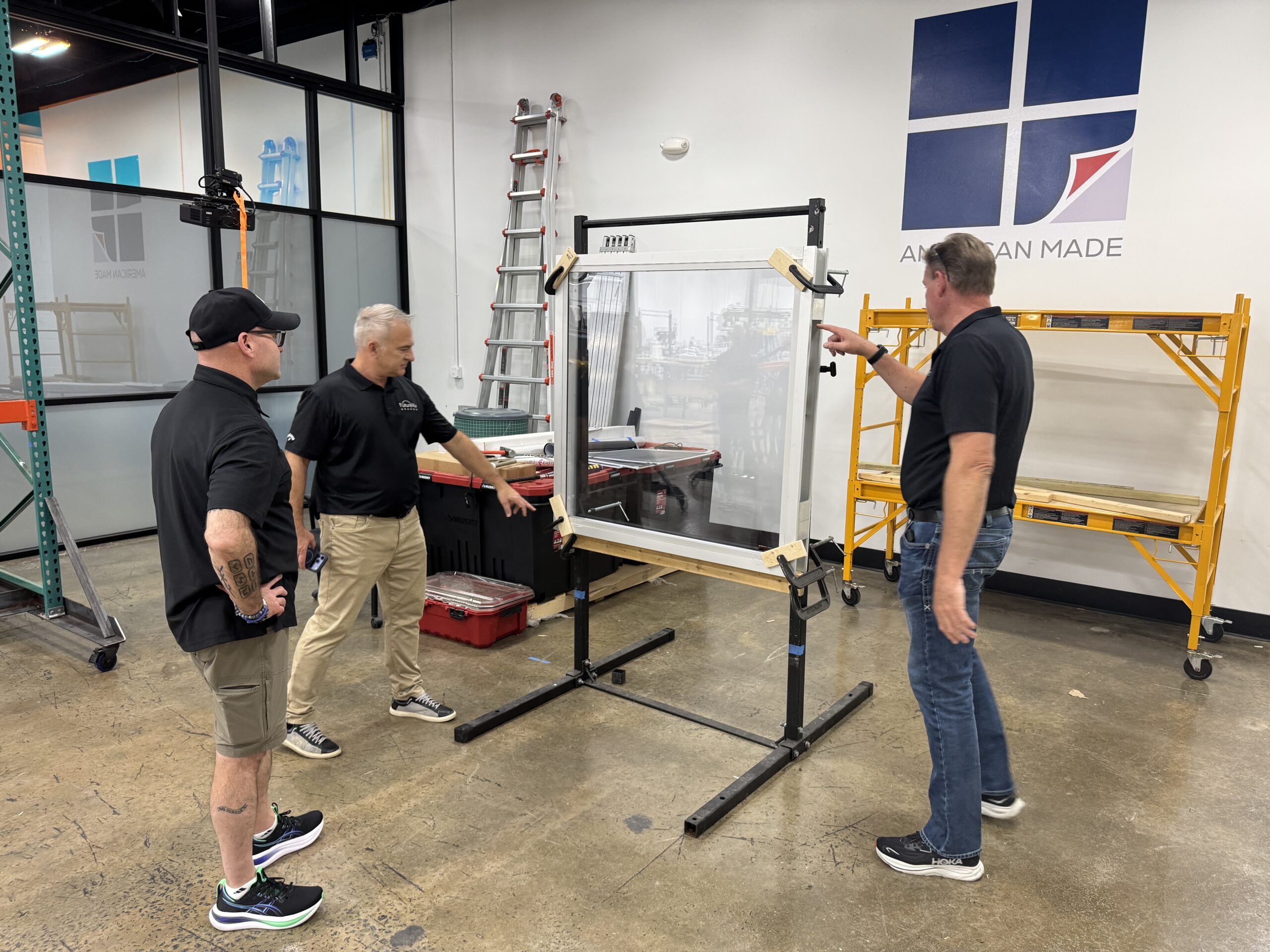
Over the years ASPP™ assembled a Community of Experts, because nothing gets recommended that has not been seen holding up in an actual building. Detection running on cameras a district already owns. Identity at a door with no badge to lend or lose. Glass and structures that buy minutes. Drone response that puts eyes on a problem before a person has to walk into it.
Which brings the story back to the wall at the top of this page. Good solutions, and no clean way for a school district to buy them. Safeware has been doing this since 1982 and already held the cooperative and federal contracts a public agency can purchase on without starting a procurement from scratch. So the division of labor wrote itself. The standard stays with ASPP™. The contract and the delivery stay with Safeware. Neither party does the other’s job, and the buyer stops being the person who has to invent a process.
Where to start
With an assessment. Not a quote and not a demo. Until somebody has walked the building there is no honest way to say what it needs, and anyone quoting equipment before that is selling inventory. Everything recommended afterward is priced against the cost of the day it fails, so a board approves an order of work rather than a wish list.
The practical version, with the contract numbers, who is eligible to buy on what, and the catalog layer by layer, is here: How to buy active shooter prevention.
If a conversation would be faster, that usually is. Reach out here.
The part I have been arguing about for years
For most of the last decade the objection was never really about money. It was that prevention had no instrument anyone could point at. A superintendent could not take a prevention program to a board and show what it was worth, because nothing in the field produced a document that a procurement officer or an underwriter would recognize. Response training produced a certificate. Prevention produced a conversation.
That is what the assessment was built to change. It produces a dated record of what a building knew about its own risk, scored against a standard the Department of Justice selected twice, with findings ranked by the cost to fix against the cost of the day it fails. It is not an opinion and it is not a proposal. It is an artifact, and an artifact can be audited, credited and defended.
This year that argument stopped being an argument. A major league arena that is home to both an NBA and an NHL franchise retained the Active Shooter Prevention Project, LLC, and its insurance carrier treated the completed assessment as an underwriting input. I have said for years that prevention has an insurance price. That was the first time I watched a carrier treat it that way.
There is no premium figure in this paragraph and there will not be one, because the carrier sets that number and only the carrier can speak to its own underwriting. The part worth saying out loud is simpler. Fire safety did not become universal because people were persuaded. It became universal because the code required it and the insurer priced it, and the second of those is what made the first affordable to comply with. The human threat has never had that second half. It is beginning to.
What that changes for a building
A layered program was always the right answer and it was always the harder sell, because every layer had to be justified on its own. That changes when the assessment carries an economic consequence. The money stops being a cost that competes with a roof repair and starts being a line that reduces a liability the organization is already paying for.
None of which makes the number zero. The model that sits behind this work refuses to let residual risk reach zero, and that refusal is deliberate. A deep stack of verified controls earns real ground and then stops, because the last part of the risk is not for sale. Anyone who tells a school board otherwise is selling something.
We make doing business easy by transforming complex challenges into clear, efficient solutions.
Share This Story, Choose Your Platform!

November 6, 2026
November 6, 2026
November 6, 2026