Why Federal Response Time Is the Wrong Number to Plan Around

Active shooter response time is the number everyone asks about. It is also the number you have the least control over, and planning around it is how organizations end up with a plan that only works if someone else is fast.
I am a Former U.S. Marine and retired police detective corporal, and I have stood on the wrong side of a real active shooter event. So let me be direct about what response time is and is not.
What Active Shooter Response Time Actually Measures
Response time measures the gap between someone calling for help and help arriving. It does not measure the gap between the first warning sign and the attack. That second gap is usually months long, and it is the only one you own.
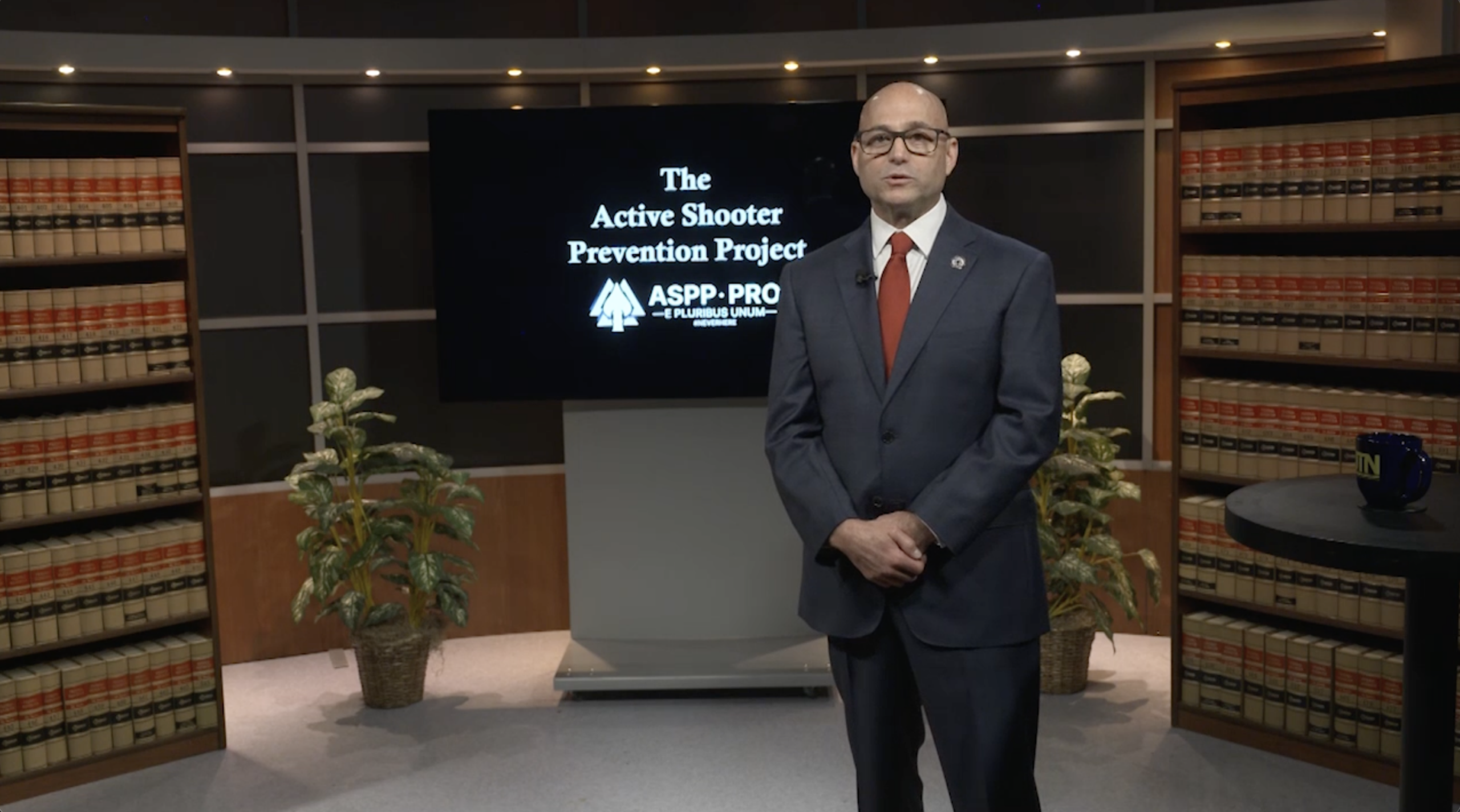
On DESTINATION #NEVERHERE™™ I sat down with Peter J. Forcelli, retired ATF Deputy Assistant Director and former NYPD homicide detective, to talk about the federal response to mass shootings. Peter spent a career on both ends of that timeline, the homicide side, where you arrive after, and the federal executive side, where you are accountable for what the system does. Watch the conversation →
The Two Timelines
| The response timeline | The prevention timeline | |
|---|---|---|
| Starts when | Shots are fired | Someone first becomes concerned |
| Typical length | Minutes | Weeks to months |
| Who controls it | Dispatch, patrol, geography, traffic | You |
| What improves it | Budgets and staffing you do not set | Decisions you can make this week |
| What it costs you | Nothing, and you get no say | Usually nothing, and you get all the say |
Why Federal Authority Is Not a Substitute for Local Prevention
Federal agencies are extraordinarily good at what they do. But every federal capability in existence is downstream of a local decision that nobody made: a concern that was never reported, a door habitually propped open, a person who was worried and had nowhere to take it.
When leaders ask me about active shooter response time and how fast law enforcement will arrive, my honest answer is that it is the wrong question asked with the right instinct. The instinct is I want my people to survive this. The better question is: what would have had to happen for this never to start?
What To Do With This
- Write down where a worried employee, student or parent takes a concern. If you cannot answer in one sentence, that is your first gap.
- Name who has authority to challenge a stranger, and tell them they have it.
- Walk your building at the time of day it is busiest, not at the time of day it is convenient.
None of those three require a budget. All of them move the timeline you actually control.
Understanding how these events unfold is what makes prevention possible. → The P.R.O. Model™
If you want to talk about what this looks like in your organization, here is how I work with clients.
Share This Story, Choose Your Platform!

November 6, 2026

November 6, 2026
November 6, 2026