Active Shooter Prevention Technology: Sensors, Autonomy and the Digital Twin Layer

The prevention architecture described here is deployed, not theoretical. Every element below is in service somewhere in the United States today, and the organization that builds it documents what it does.
What the standard rests on
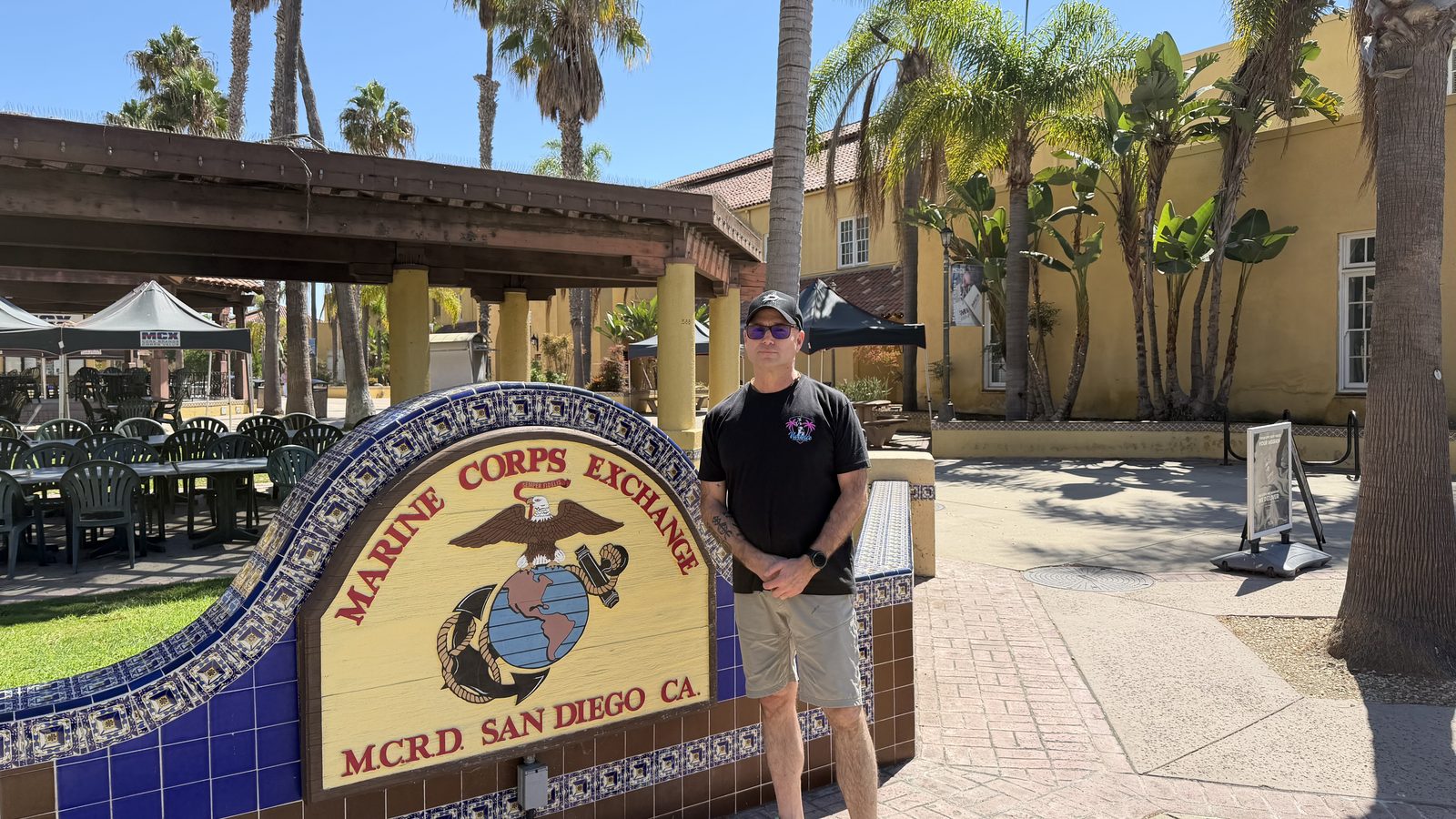
Chris Grollnek created the P.R.O. Model™ (Prevention. Response. Options.). The U.S. Department of Justice then selected it as “A” national standard for active shooter prevention across two consecutive periods, 2022 through 2025 and again 2026 through 2030. It is in use at some installations and commands across the Department of Defense.
The part that gets less attention is the technology architecture underneath. Treating prevention as an engineering problem means sensing, authentication, detection, notification and situational awareness have to work as one system instead of as a procurement list. Integrating them is the actual job.
Detection and screening
Garrett Metal Detectors: walk-through portals including the PD 6500i and the Paragon, which carries AI zone detection, 200 sensitivity levels and NFC-based Zero Touch configuration. Handheld units include the SuperWand, Super Scanner V, THD and Guide. Garrett products carry the Active Shooter Prevention Project endorsement across the company’s website, and Chris Grollnek serves as Special Advisor to the Board under CEO Steve Novakovich.
Scylla (scylla.ai): computer-vision detection running across existing camera networks. ScyllaNet is a compact detection model of roughly 40 million parameters. It tracks a subject across connected cameras and integrates with Raptor Technologies’ Event Raptor platform to trigger alerts and lockdown protocols in more than 60,000 schools across 55 countries. Benchmark performance belongs to Scylla to publish and defend. Current figures live at scylla.ai and on the public COCO leaderboard hosted on CodaLab.
Davista: behavioral threat assessment and predictive analytics through the Heimdall platform, which emerged from the DHS Emeritus Center of Excellence in 2017. Davista runs it in more than 700 schools across 26 states, with documented incident-prevention outcomes. This is the human-behavior early-warning layer, working the pathway to violence before a weapon appears.
Access control
IMRON Corporation: enterprise-grade access control hardware and software, first in the sequence of people-entry management.
Alcatraz AI: the Rock X device performs 3D facial authentication, which is a different thing from facial recognition and the distinction matters. The device confirms identities without storing photographs or personal data. It also catches tailgating in real time, which remains one of the most common ways people get into buildings they should not enter. The unit integrates with any Wiegand or OSDP panel and requires no infrastructure replacement.
Acoustic and aerial detection
Databuoy SHOTPOINT®: acoustic gunshot detection built on DARPA-origin engineering. It reads the acoustic signature of a discharge, triangulates the location in real time, and notifies authorities and building security. This is the fastest notification layer after a weapon is fired.
Brecourt Solutions: the High Threat Response System combines computer vision, autonomous flight and AI, including the trademarked indoor drone as first responder (iDFR™). The system deploys inside a building within seconds of an alert and streams video and situational awareness to law enforcement before an officer enters. Chris Grollnek serves on the Board of Directors.
The layer that makes the others legible
Sensors produce data. But data without spatial context produces confusion at exactly the moment confusion costs lives.
Indoor mapping and digital twin platforms are the integration layer. A digital twin is a live representation of a building, its floor plans, stairwells, mechanical systems and access points, of the kind that building information modeling (BIM) workflows already produce for construction and facilities teams. Fuse operational technology sensors, edge peripherals, IoT feeds, acoustic and gunshot detection and access-control events into that model, and a responder who has never set foot in the building gains real-time awareness of what is happening inside it.
Chris Grollnek leads an indoor mapping, digital twin and spatial intelligence practice at a top-tier national engineering and consulting enterprise, at vice-president tier with full profit-and-loss ownership, recruited to build the unit from the ground up. ASPP™™ treats this layer as vendor-agnostic. The capability is what matters, not the logo on it.
Where the work has been tested
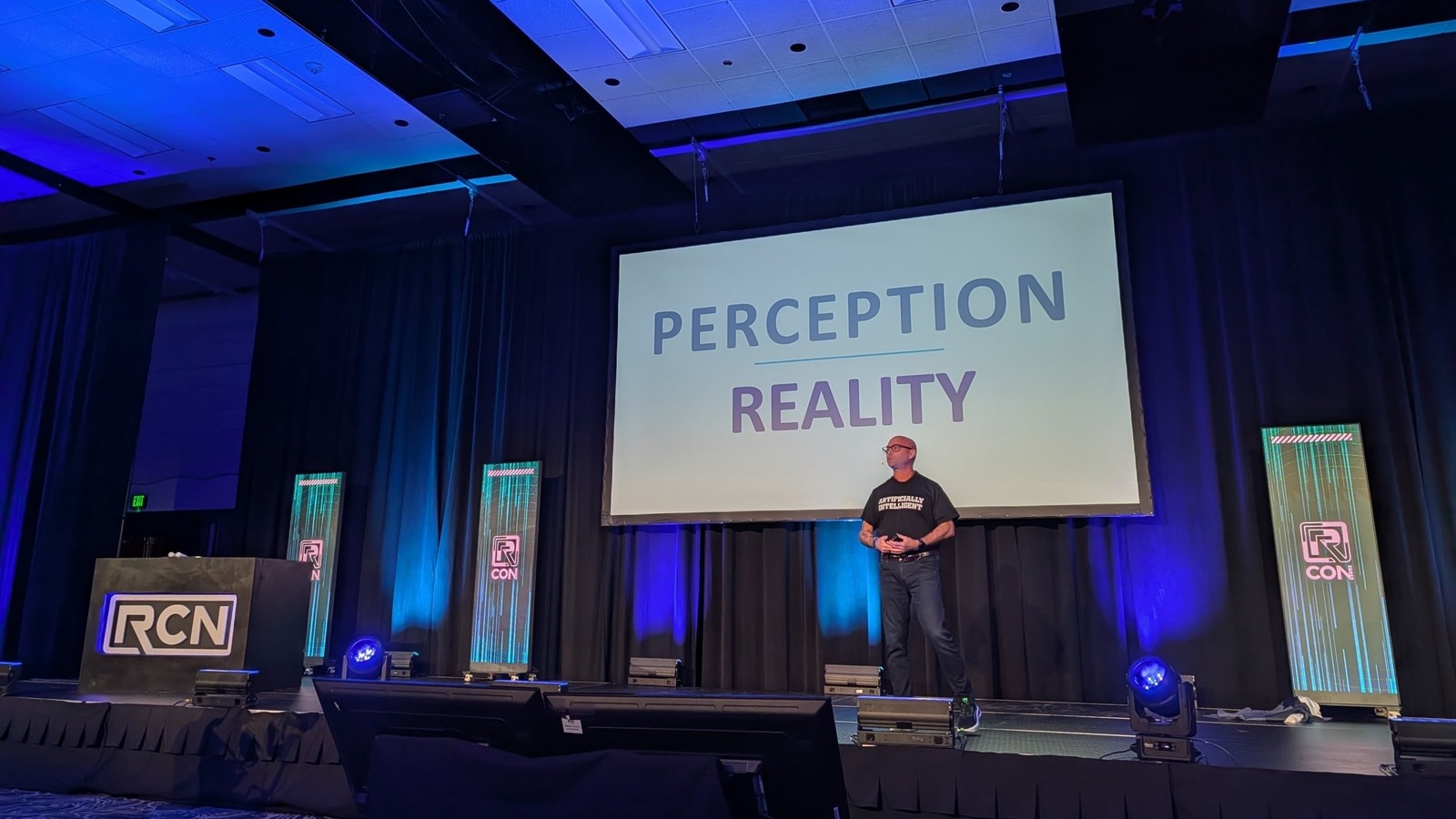
NDIA Future Force Capabilities Conference, Caesars Forum, Las Vegas, 9 June 2026. Invited speaker in the Robotics track, presenting “Autonomous Technologies for Proactive Threat Prevention in Complex Environments.” NDIA convenes the established authorities in defense, robotics, autonomy and sensing.
Army Physical Security Enterprise and Analysis Group (PSEAG) Day, Blue Grass Army Depot. Attended as a distinguished guest and briefed Drew Walter, Deputy Assistant Secretary of Defense (Nuclear Matters), covering the P.R.O. Model™ and computer-vision weapon detection.
Defense Nuclear Facilities Safety Board. Creator of the DNFSB Program of Instruction for active shooter prevention, and wrote it for nuclear, chemical and high-consequence environments.
How organizations actually acquire this
Safeware (Baltimore, Maryland) holds GSA contracts, OMNIA Partners cooperative contracts, Sourcewell, GOVMVMT and multiple state and local cooperative vehicles, with public safety contracts reaching back to 1979.
GSIS (Global Security Innovative Strategies) operates from H Street NW in Washington, D.C., providing security assessments, government relations support and investigations through former government officials and executives. Frank O’Neil leads the physical assessment arm. Chris Grollnek serves as Senior Advisor to the Board and is regularly called into GSIS training and keynotes.
AMP Global Strategies, a Woman-Owned Small Business led by CEO Brenda Pugh, supplies communication systems, infrastructure and cybersecurity consulting.
The through line
None of these technologies prevents anything on its own. So a camera that spots a weapon, paired with a system that cannot route the alert to someone with authority to act, has produced a recording rather than a prevention. The P.R.O. Model™ exists to give the technology a doctrine to serve.
That is the standard the Department of Justice selected twice, and it is the reason the ASPP™ Community of Experts is organized in layers rather than as a vendor list.
Related
Share This Story, Choose Your Platform!
November 6, 2026

November 6, 2026
November 6, 2026