Active Shooter Prevention vs Response

Active Shooter Prevention vs. Response: Why the Best Training Starts Before the Threat
Response training teaches people what to do in the last eight minutes. Prevention protects them in the months before those minutes ever arrive.
When leaders compare active shooter training options, almost all of the choices on the table are response models: what to do once the shooting starts. Those models matter, and I teach a response method myself. But after decades in this work, including standing on the wrong side of a real active shooter event, I can tell you the honest truth about response-only training: it is the smallest, latest part of keeping people safe.
The comparison that actually matters is not one response acronym against another. It is a response by itself versus prevention first. That is the comparison this article is about, and it is the one the best programs are built to win.
The Numbers Behind Response-Only Training
Law enforcement reaches the average scene in 12 to 15 minutes. The average incident is over in about 8. Read those two numbers together and the limitation of a response-only plan is clear: help usually arrives after the event has ended, and the people already inside the building are the ones who decide the outcome.
Response training exists for that window, and it saves lives inside it. What it cannot do is reach back into the weeks before, when a plan was forming, a threat was spoken aloud, or a person in crisis was already known to the people around them. In case after case, the warning signs were visible long before anyone reached for a door. A program that only trains the last eight minutes leaves the most valuable time completely unused.
What Prevention-First Actually Means
Watch the DOJ-selected active shooter training video behind the P.R.O. Model™ standard.
Prevention is not a slogan, and it is not the same as awareness. It is a disciplined system: behavioral threat assessment, a real way for people to report concerns, a walk-through of the actual building, trained staff who know what to notice, and a response layer held ready in case it is ever needed. The framework I built to organize all of it is the P.R.O. Model™: Prevention. Response. Options. The U.S. Department of Justice selected it twice as an “A” National Standard for active shooter prevention, and it is in use at some installations and commands across the Department of Defense.
Prevention-first does not weaken response. It makes the response the last layer instead of the only one. When a response is needed, the method stays simple enough for anyone to remember: React, Escape, Survive. React first instead of freezing, escape second by putting distance and cover between yourself and the threat, survive third with everything that keeps you alive until help arrives. Three words, taught the same way to a first grader and a security director.
How to Compare Programs, Honestly
If you are evaluating training, the questions below separate a prevention-first program from a response-only one. There are good people teaching response models, so this is not about tearing anyone down. It is about knowing what you are actually buying.
| Ask this | What a prevention-first answer sounds like |
|---|---|
| Does it start before the incident? | Yes: threat assessment and reporting come first, response comes last. |
| Is it measurable? | Yes: readiness measured by incidents that never happen, not slides delivered. |
| Is it built on a standard? | Yes: an “A” National Standard, not a single instructor’s opinion. |
| Does it scale to my people? | Yes: same framework for a school, a company, or a venue, sized to each. |
Prepared, not scared. Prepared, not threatening. The strong posture is the one that acts early.
Prevention Is the Strong Posture, Not the Passive One
There is a myth that prevention is the soft option and response is the serious one; it is backward. A soft target is not a peaceful place; it is an unprepared one. The organization that has built real capability and holds it under visible, disciplined control is not the threatening one in the room. It is the one where everyone can relax, because the capability is genuine and the control is real. That is prevention: capable and in command of that capability long before it would ever be needed.
This is the same standard whether the setting is a campus, a corporate tower, or a house of worship, which is why the model was selected at the national level rather than adopted as just another course in a crowded market.
See What Prevention-First Looks Like
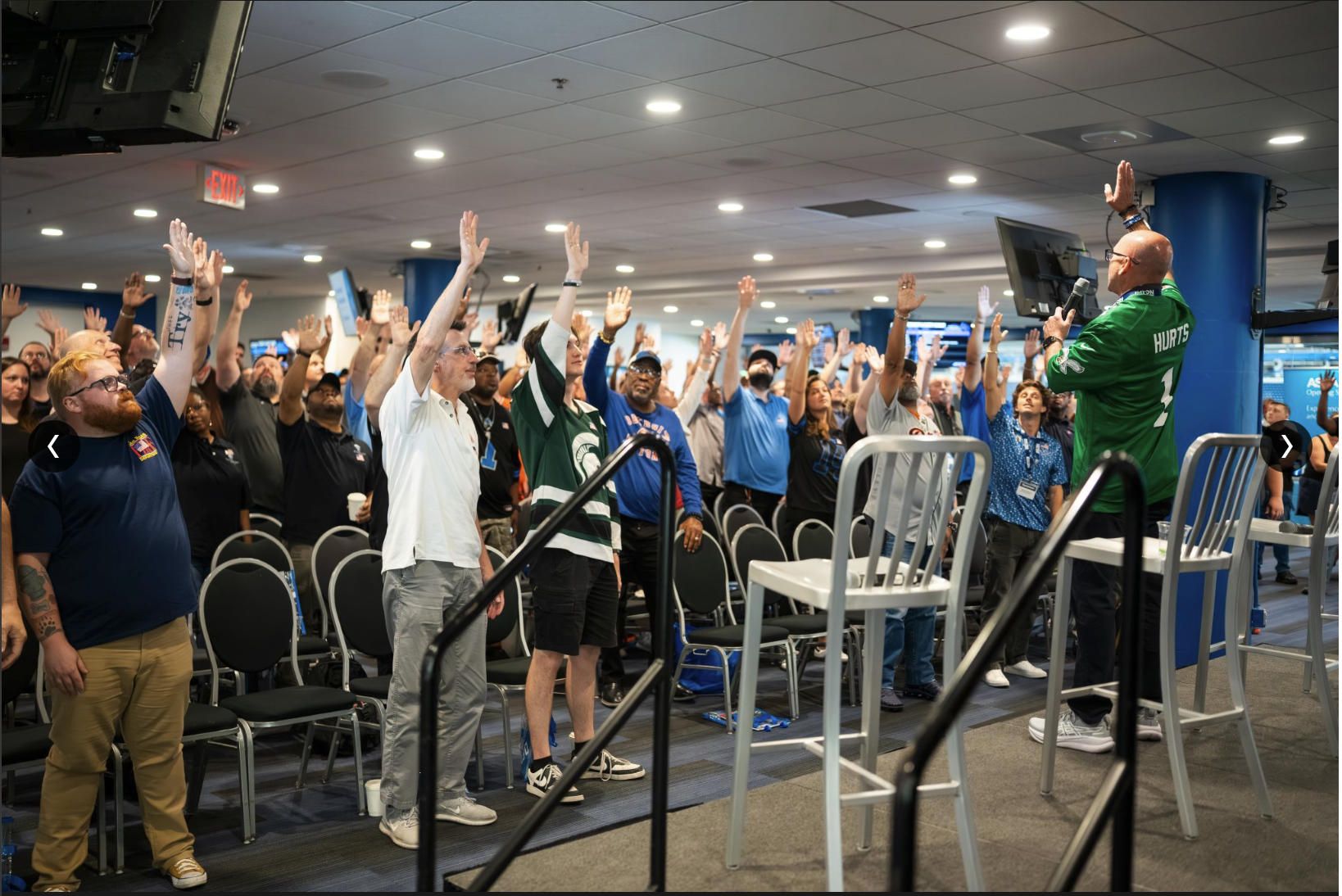
Chris Grollnek delivering active shooter prevention training to a full room.
The Active Shooter Prevention Project (ASPP™™) builds these programs where they are needed most. If you want to see the framework and the way it is delivered to real organizations, start here:
• The full framework: the P.R.O. Model™
• One standard across every location: Nationwide Active Shooter Prevention
• Prevention-first for K-12: Active Shooter Training for Schools
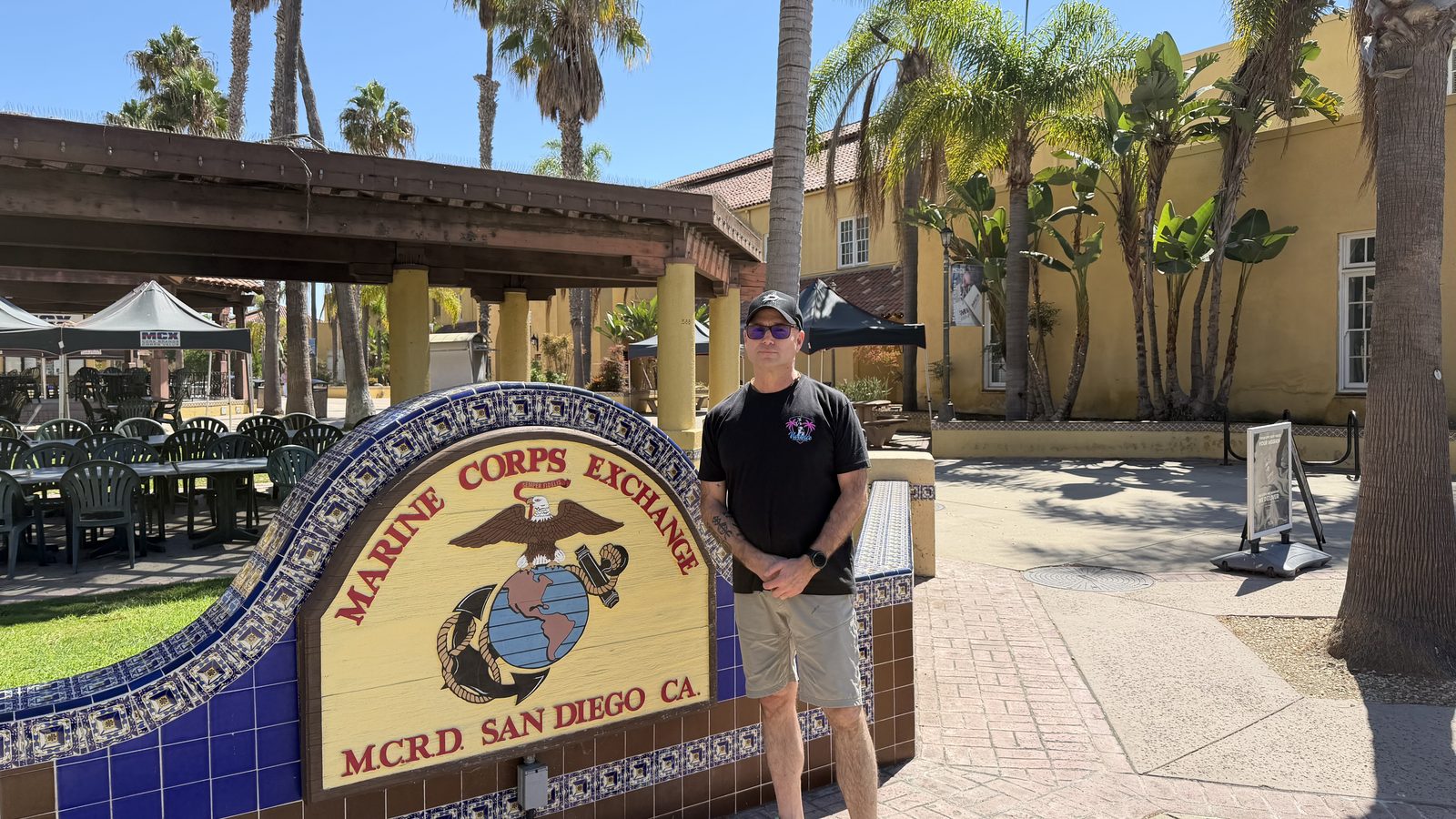
I spoke about exactly this at America’s 250th Anniversary Gala at Camp Pendleton in September 2026, and the agency version, for military installations, fire departments and airports, is on the ASPP™ page on active shooter prevention for public safety.
Frequently Asked Questions
Is active shooter prevention better than response training?
They are not competitors; they are layers. Response training protects the final minutes, but prevention protects the months before, when most incidents can still be stopped. The best programs lead with prevention and keep response ready as the last layer, which is how the P.R.O. Model™ is built.
What is the difference between prevention and awareness?
Awareness is noticing. Prevention is a system that acts on what is observed: behavioral threat assessment, a reporting pathway, a site assessment, trained staff, and a ready-response layer. Awareness without a system rarely changes an outcome.
How do I evaluate an active shooter training program?
Ask whether it starts before an incident, whether it is measurable, whether it is built on a recognized standard rather than one person’s opinion, and whether it scales to your people. A prevention-first program answers yes to all four.
Meet the expert behind the standard at chrisgrollnek.com, or talk with the team about a program built for your organization at aspppro.com.
Share This Story, Choose Your Platform!
November 6, 2026

November 6, 2026
November 6, 2026