Master Peace Officer License and TCOLE Requirements

Short answer. A Master Peace Officer Proficiency Certificate is the highest license the Texas Commission on Law Enforcement issues to a peace officer. It requires a combination of years of service and accumulated training hours, plus a specific set of required courses, and every condition has to be satisfied at the same time. The full requirements are below. Chris Grollnek holds that license, and he also holds a TCOLE Master Instructor certification, which is the Commission’s highest instructor credential and the one that authorizes an instructor to train other instructors. This page covers both: what Texas requires, and the instructor-led active shooter prevention training ASPP™ delivers to law enforcement agencies in Texas and to Peace Officer Standards and Training authorities nationwide.
Instructor-led active shooter prevention training for agencies
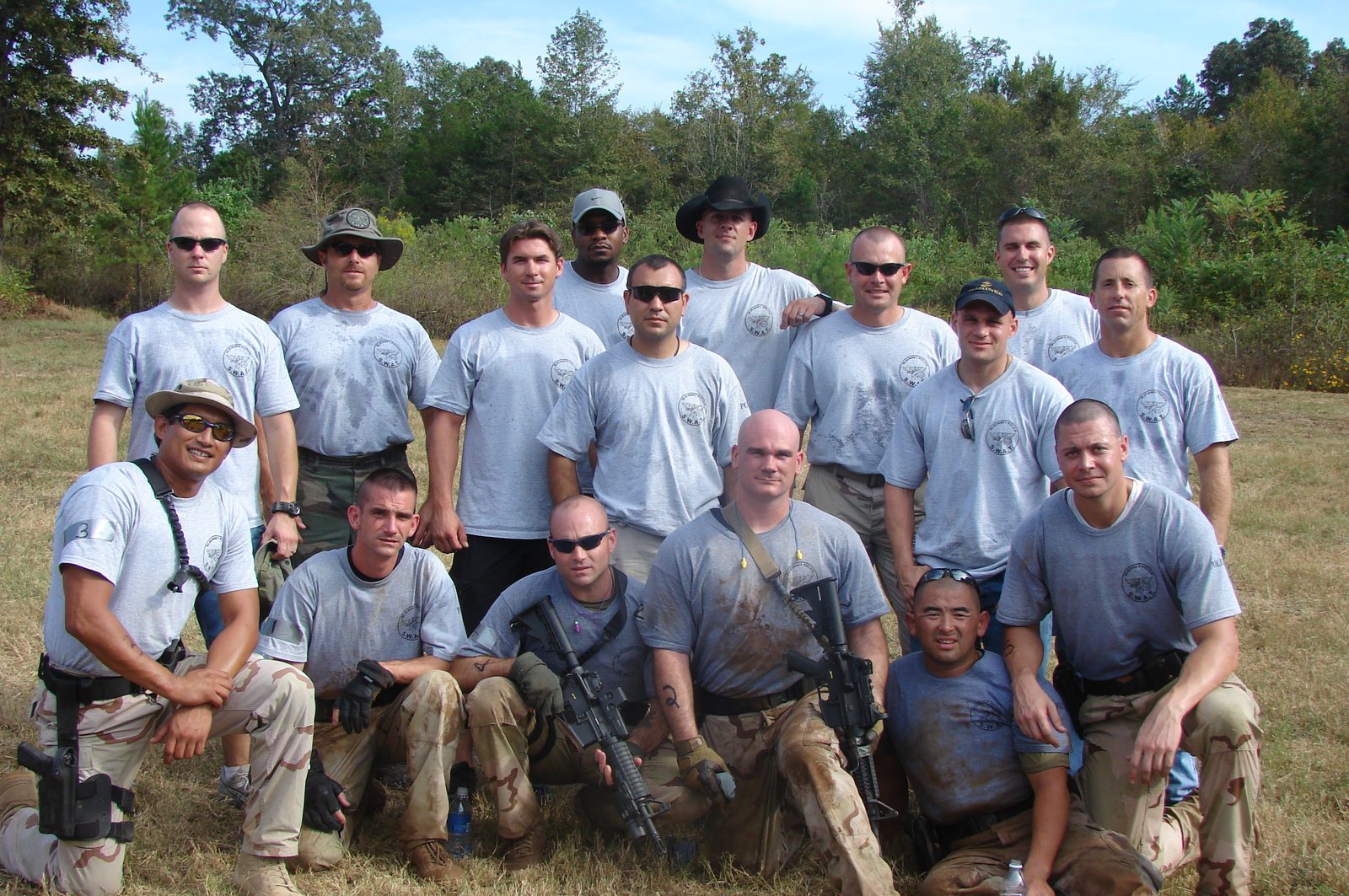
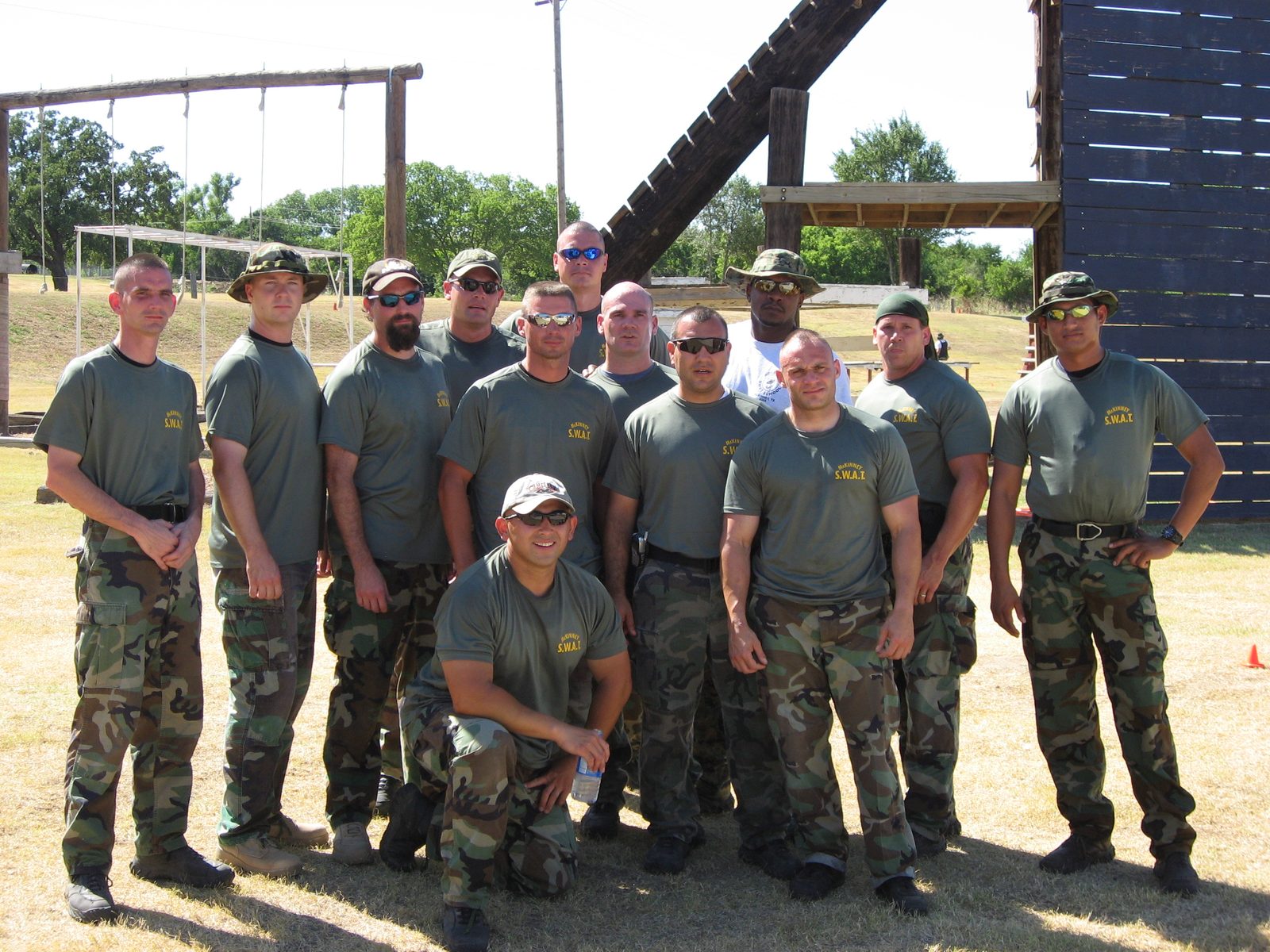
Chris Grollnek is a TCOLE Master Instructor and a Master Peace Officer, and he is the architect of the P.R.O. Model™, selected by the U.S. Department of Justice as “A” National Standard for active shooter prevention for 2022 through 2025 and again for 2026 through 2030. Agencies book instructor-led prevention training that is built by an operator with firsthand on-scene experience in an active shooter incident, not assembled from a curriculum binder.
What agencies book
- Active shooter prevention instruction for sworn personnel, delivered in person
- Behavioral threat assessment and pre-attack indicator recognition
- Tabletop exercises for command staff and leadership
- Full-scale exercise design, conduct and after action reporting
- Facility vulnerability assessment
- Instructor development, the Master Instructor role, training the trainers
POST credit outside Texas
Every state runs its own Peace Officer Standards and Training authority, and TCOLE is the Texas one. As a TCOLE Master Instructor, Chris Grollnek’s curriculum is eligible for submission to POST authorities nationwide, and it has been submitted and accepted in more than half of the fifty states. Agencies outside Texas that need the training to carry POST credit should raise that at scoping, because the submission is handled as part of the engagement rather than after it.
To scope training for your agency, start at aspppro.com/contact-us/.
People search for what Texas actually requires to reach a Master Peace Officer license and they land on this page, so the requirements come first and my own license comes after them. That is the correct order, and it is the order I would want if I were the one searching.
What TCOLE requires for a Master Peace Officer Proficiency Certificate
The Texas Commission on Law Enforcement sets the standard under Commission Rules 221.1 and 221.3. Four conditions have to be true at the same time, and there is no way to satisfy three of them and negotiate the fourth.
- An active license or appointment
- Basic, Intermediate and Advanced certification already held
- Completion of the required training hours and years of service
- Completion of the required courses
The hours and the years move against each other. An officer who stays twenty years needs the fewest training hours, and every year taken off that number raises the hours steeply, which is the Commission’s way of saying that time on the job and time in the classroom are both forms of the same education.
Years of service and training hours
| Years of service | Total training hours required |
|---|---|
| 20 | 1,200 |
| 15 | 2,400 |
| 12 | 3,300 |
| 10 | 4,000 |
Where academics and military service change the math
This is the part most officers do not find until late, and it is the part worth reading twice. A degree or a military record reduces the years of service the Commission requires, and the two are treated as alternatives to each other rather than as a stack.
| Years of service required | Education | or Military service |
|---|---|---|
| 12 | Associate degree | 2 years |
| 9 | Bachelor’s degree | 4 years |
| 7 | Master’s degree | 5 years |
| 5 | Doctorate or JD | 8 years |
Required courses
The current chart also requires two Incident Command System courses, FEMA ICS 300 (course number 66300) and FEMA ICS 400 (course number 66400).
Source: Texas Commission on Law Enforcement, Master Peace Officer Proficiency Certification Requirements Chart, CRT 16.001, revised 9 February 2026. TCOLE is the authority on its own standard and the chart is revised from time to time, so verify the current version before you submit anything. Hours and years post to the Personal Status Report, and the system updates once both are met.
How I met the standard

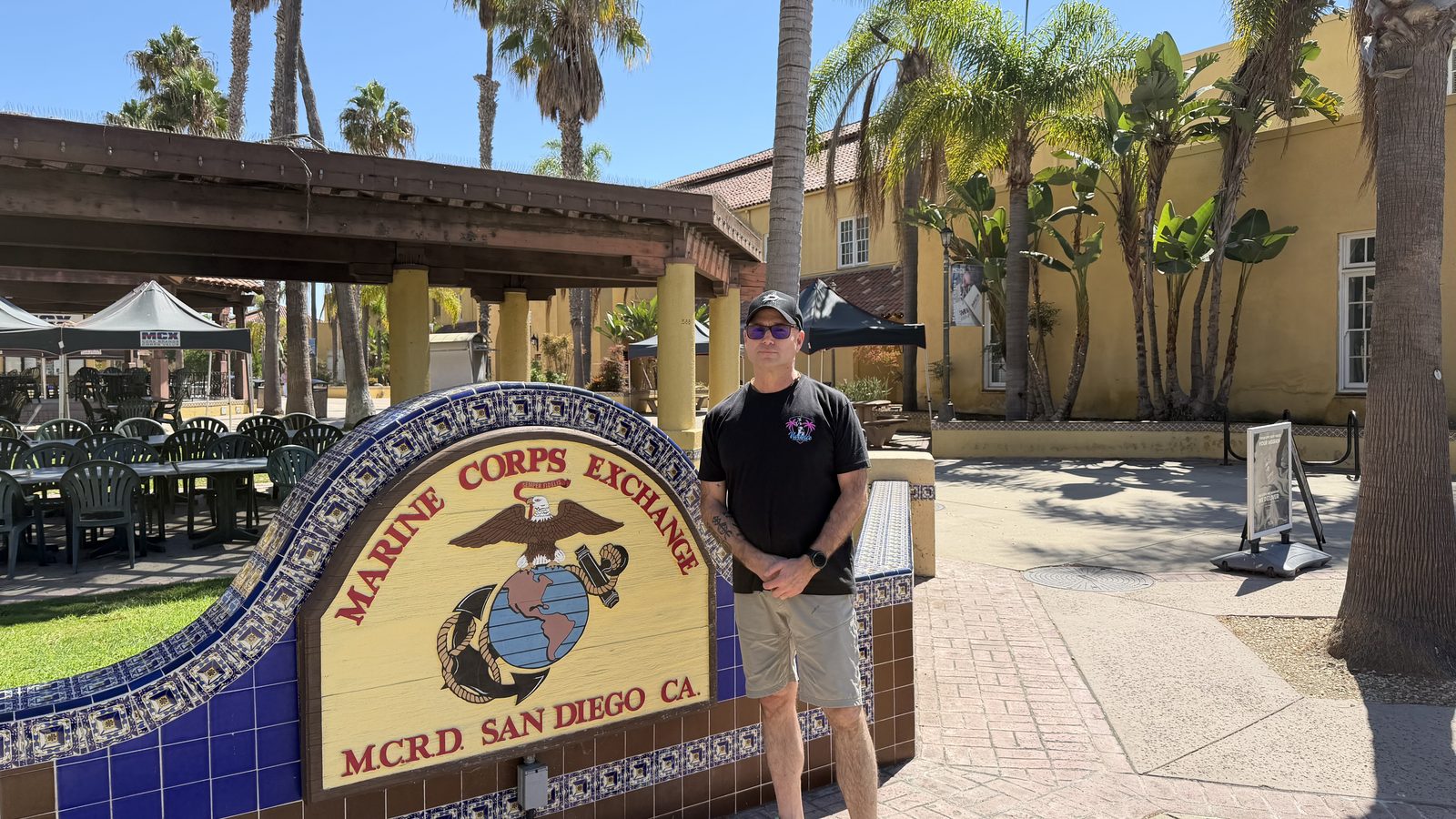
Six months after I retired from the city, the State of Texas issued my Master Peace Officer License. I am not in the habit of promoting my own achievements, but this is the one I set out for on the first day of the police academy and never lost sight of, and putting the requirements next to it is the only way the document means anything to a reader.
Three lines on that chart are mine. I served as a United States Marine before I ever wore a badge, I finished a Master of Science in Administration of Justice and Security, and I carried more than 4,000 hours of in-service peace officer training by the time I retired. The Commission counts military service and graduate work because both of them teach the same thing a long career teaches, which is judgment under conditions you did not choose.
Alongside the license I hold the advanced SWAT Tactics Instructor Trainer certification. Together they are an uncommon pair inside most agencies, and I say that as a statement of fact about how the two tracks rarely overlap rather than as a claim about myself.
What the badge actually bought
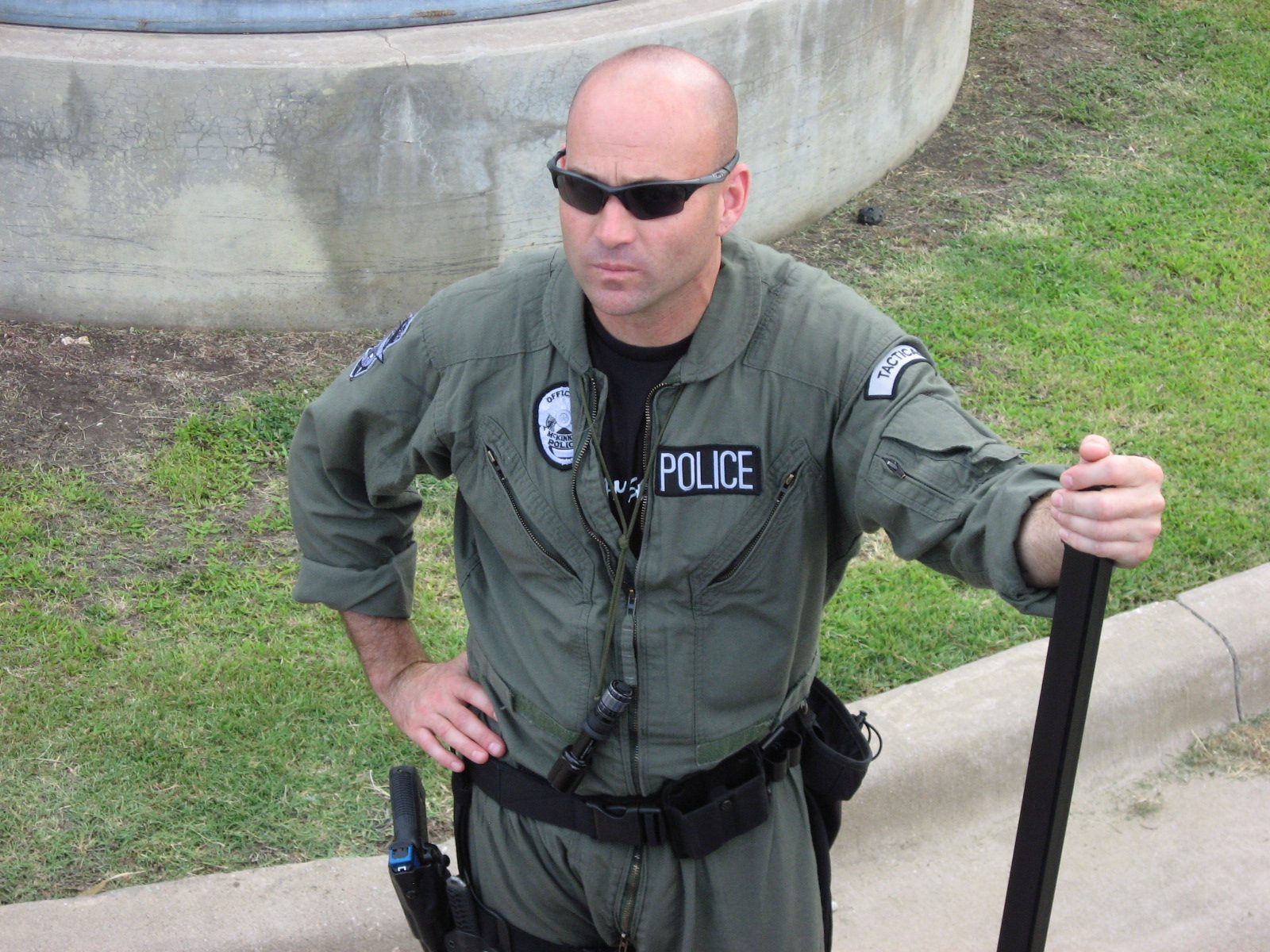
Chris Grollnek, badge number 115. Former U.S. Marine and retired police detective corporal. Patrol supervisor, undercover narcotics, and SWAT.
Since retiring I have worked with media, corporations, government and the legal and compliance side of large organizations. I have testified before Congressional House and Senate committees under oath on the need for specific counterterrorism initiatives, work that began with the Center for Strategic and International Studies. Governments, corporate executives and policy institutes have asked for that experience, and none of it would have been available to me without the years that produced the license above.
Why a license sits on a prevention site
Credentials matter in this field because the field has almost no barrier to entry. Anyone can print a card that says active shooter expert. Very few have carried a badge, a rank, and the accountability that comes with both, and fewer still have stood inside the problem rather than beside it.
Understanding how these events actually unfold is what makes preventing them possible, and that understanding is what the P.R.O. Model™ was built out of. The Department of Justice selected it as “A” national standard for active shooter prevention in 2022 and again in 2026, and it is in use at some installations and commands across the Department of Defense.
If you want the longer record, the executive bio covers the academic and federal work in full. If you would rather talk about what any of this looks like inside your own organization, here is how I work with clients.
The license is also why the two calls I get most are a workplace after a threat and a congregation after a scare, and why the answer in both is the same. Teach the people already in the room what they are looking at, and give them somewhere to take it. That is laid out for employers at workplace violence prevention training and for faith leaders at house of worship security.
Frequently asked questions
What is a TCOLE Master Instructor?
Master Instructor is the highest instructor certification issued by the Texas Commission on Law Enforcement. It is the credential that authorizes an instructor to develop curriculum and to train other instructors, rather than only to deliver a course someone else wrote.
Does TCOLE training count in other states?
Not automatically. Each state runs its own Peace Officer Standards and Training authority with its own submission process. A Master Instructor’s curriculum is eligible for submission to those authorities, and Chris Grollnek’s has been accepted in more than half of the fifty states.
How many hours does a Master Peace Officer Proficiency Certificate require?
It depends on years of service, and academic degrees and military service change the calculation. The full requirement table from Commission Rules 221.1 and 221.3 is set out above on this page.
Can an agency book active shooter prevention training directly?
Yes. Agencies book instruction, tabletop exercises, full-scale exercises, and facility vulnerability assessments directly through ASPP™. Start at aspppro.com/contact-us/ and name your state so POST submission can be scoped with it.
Related reading
Share This Story, Choose Your Platform!
November 6, 2026

November 6, 2026
November 6, 2026